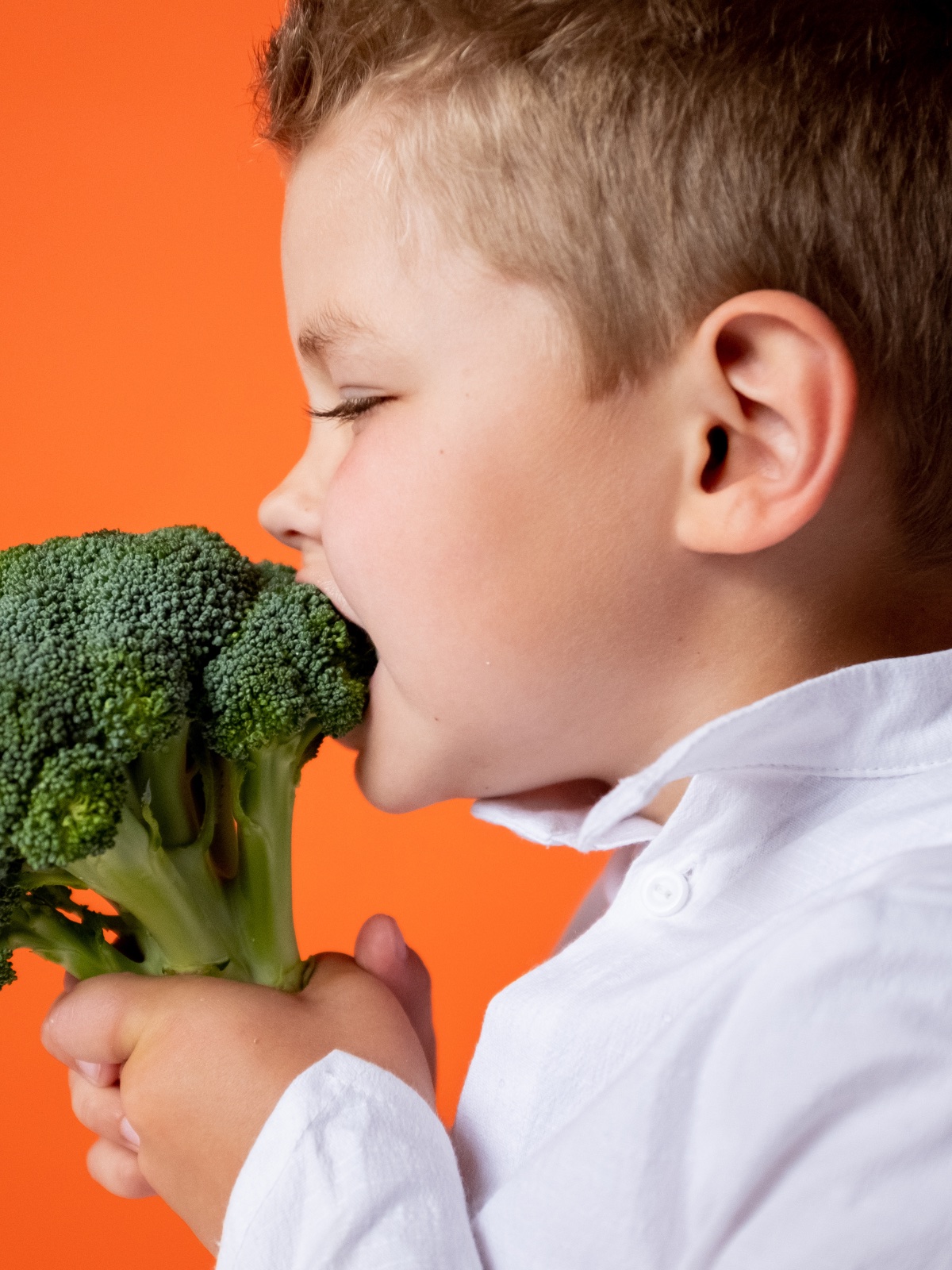
How to Get Kids to Eat More Vegetables: 6 Low-Pressure Tips from a Registered Dietitian
By Edwina Clark, MS, RD, CSSD · April 22, 2026
If you’ve ever sliced cucumbers, roasted carrots, or lovingly arranged broccoli on your child’s plate… only to watch them ignore all of it and ask for crackers, welcome to the club. You’re in very good company.
As a registered dietitian, I understand the importance of early fruit and vegetable exposure and the benefits of a plant-rich diet for both kids and adults. As a parent, I know that getting kids to eat fruit and veggies is more involved than simply reciting the benefits.
The good news? How to get kids to eat more vegetables usually isn’t about finding the one perfect recipe or convincing them to “just take a bite.” More often, it comes down to repeated exposure, lower pressure, and making vegetables feel fun and familiar.
The short version
If you want kids to eat more vegetables, the goal is not to pressure them into loving broccoli by Friday. The goal is to make vegetables a normal, low-stakes part of daily life: served often, talked about casually, and offered in ways that feel approachable, playful, and familiar.
Why fruits and vegetables matter for kids
Not surprisingly, eating adequate fruit and veggies has lifelong benefits for kids. And there’s science to prove it. Here’s why fostering fruit and veggie intake during childhood is worth the effort:
- Nutrient intake: When kids eat more fruits and vegetables, their diets tend to be higher in nutrients that many children need more of, including vitamin A, vitamin C, fiber, potassium, and carotenoids. Low intake is also associated with lower overall diet quality [1].
- Cardiometabolic health: In adolescents, diets richer in fruits and vegetables and lower in sugary drinks are associated with healthier cardiometabolic markers like blood pressure and cholesterol [2].
- Cognitive outcomes: Higher intake of lutein and zeaxanthin—nutrients found in leafy greens and other colorful produce—is associated with better receptive vocabulary in early childhood and executive function in mid-childhood [3]. Increasing vegetable intake in young kids has also been linked to improvements in some behavioral outcomes [4].
- Overweight/obesity prevention: A diet rich in fruit and veggies during childhood seems to help protect against overweight/obesity [5].
- Taste preferences: The early years are critical for shaping taste preferences, and fostering fruit and veggies acceptance early on helps establish healthy eating patterns for life [6].
Fruit and veggie intake in kids: the stats
The fruit and veggie gap in kids is real, with some research suggesting that among kids 1–5 years old, 49% of children did not consume veggies daily, and 32% did not consume fruit daily [7].
1. Let them play with vegetables
This sounds controversial, but hear me out: vegetable play counts as exposure. Playing with food within reason is exploration.
Let kids squeeze cherry tomatoes, stack cucumber slices, peel apart a Brussels sprout, count peas, or pull broccoli into little trees. For many children, especially younger ones, sensory exploration is part of how they learn about food. It’s the step before the first bite or lick.
No, I’m not advocating for a full-on food fight or letting your kid smear fruit and veggies all over the walls. But I am saying that a little age-appropriate mess can be worth it if it helps a child get more comfortable with what’s on the plate.
When kids are allowed to explore food without immediate pressure to eat it, vegetables can start to feel less foreign and more familiar.
2. Turn it into a game
Pressure kills curiosity. Play helps bring it back.
A lot of well-meaning parents accidentally make vegetables feel like a test. Just try one bite. You liked it yesterday. Eat your green beans first. The problem is that pressure often makes kids dig in harder.
Instead, make it playful:
- Who has the crunchiest carrot?
- How many layers does this Brussels sprout have?
- Which bell pepper is sweetest?
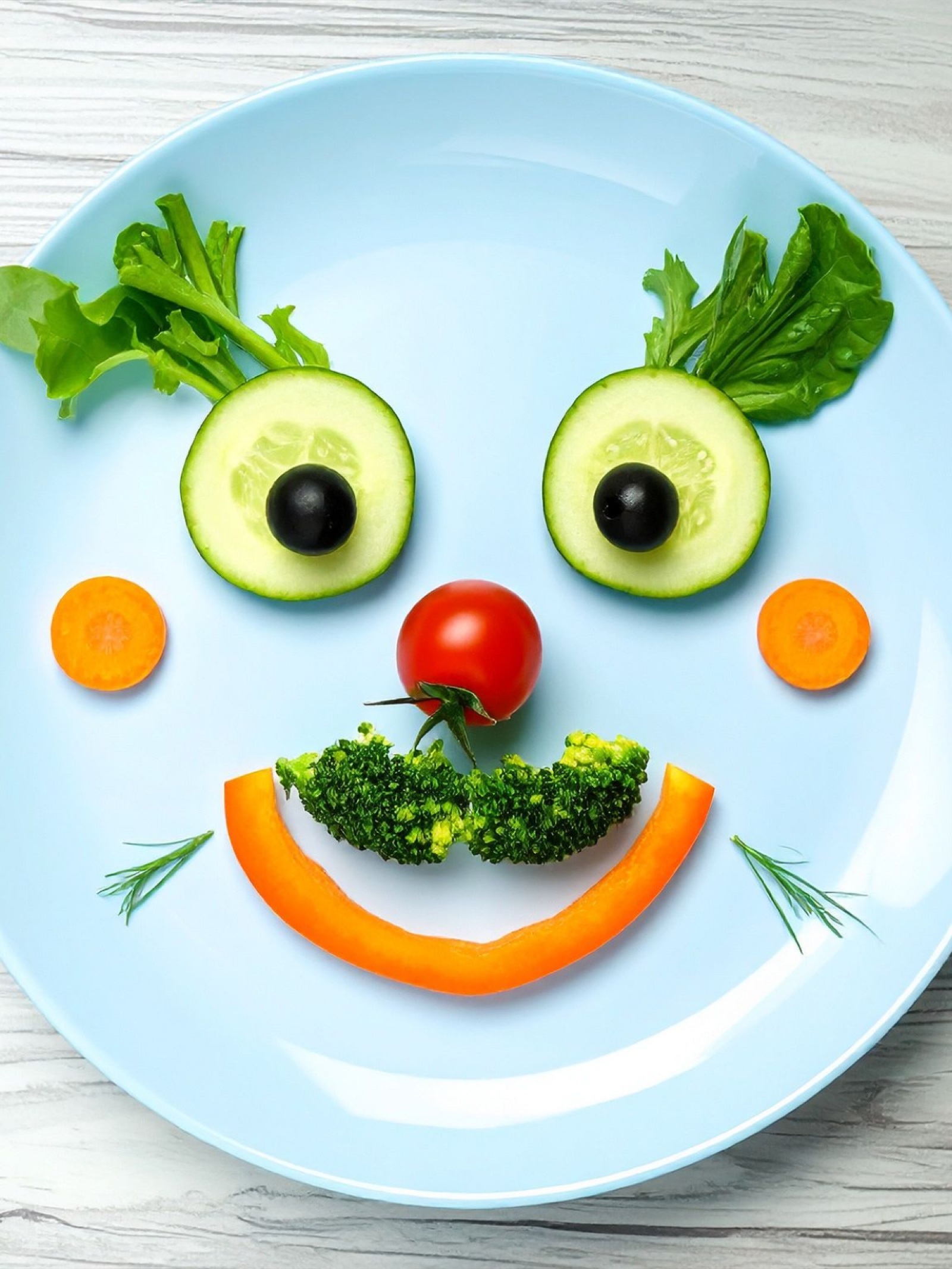
- Can you make the funniest veggie face?
It may feel silly, but silly works. When the stakes are lower, kids are often much more willing to interact with food. Again, play is often the precursor to the first lick or bite.
3. Keep serving the vegetable, even when it gets ignored
This is one of the hardest parts of parenting picky eaters.
You buy the vegetable. Wash it. Cook it. Put it on the plate. And then… nothing.
Still, keep serving it.
Repeated exposure is one of the most evidence-backed tools we have for improving acceptance of vegetables in young children [8].
So yes, offer the veggie again. Not in a giant portion. Not with a speech. Not with a bribe. Just calmly and consistently.
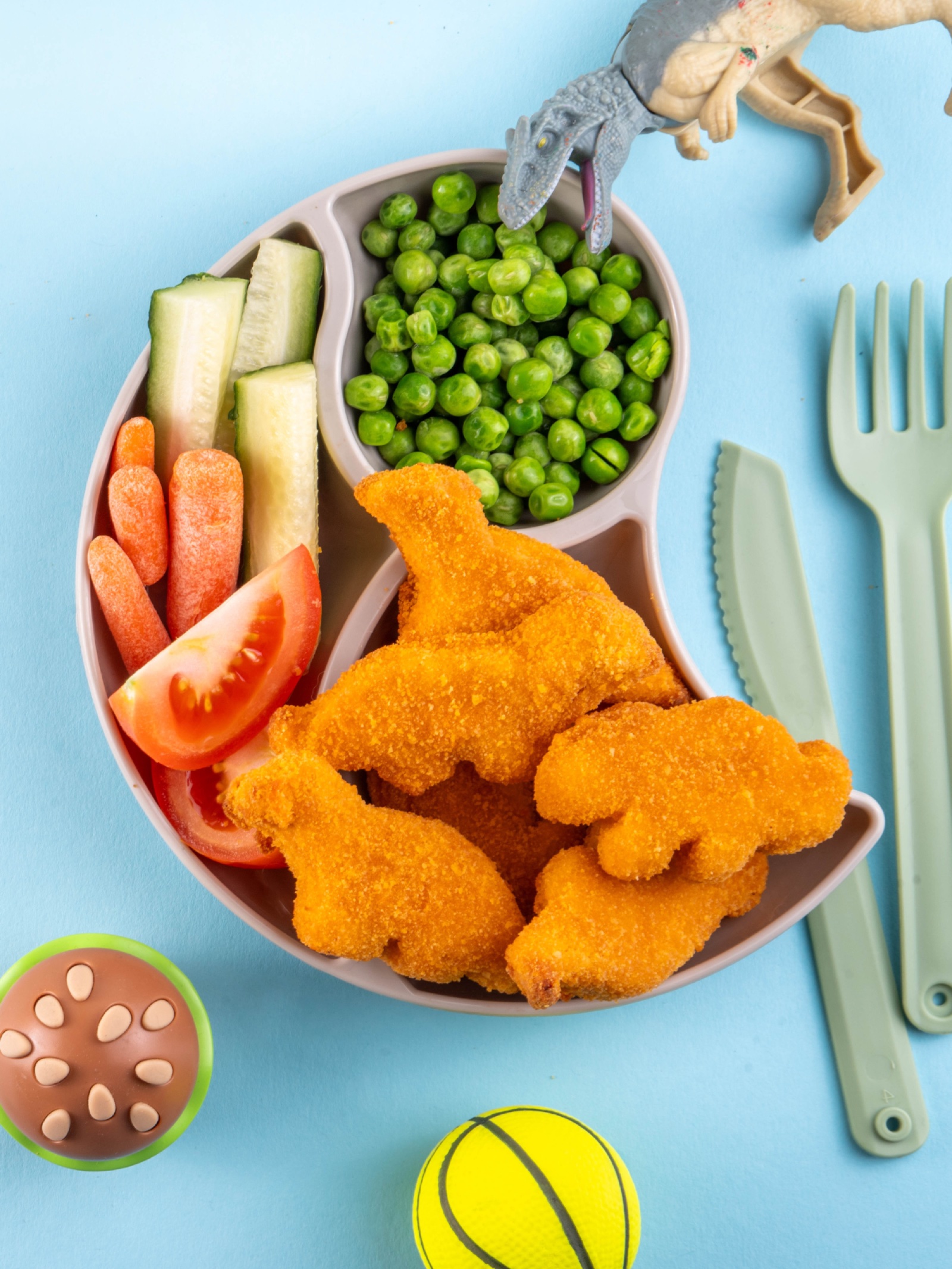
A few cucumber slices with lunch. Peas next to pasta. Roasted carrots on the table again.
Progress might look like touching it, licking it, or moving it around the plate before it ever looks like eating. That still counts.
4. Involve your child before the meal starts
Kids are often more interested in food they helped choose, wash, stir, or arrange.
That might mean letting them pick a vegetable at the grocery store, rinse snap peas, tear lettuce, stir shredded zucchini into muffin batter, or arrange pepper strips on a plate.
This matters because involvement builds familiarity, and familiarity lowers resistance. Research in preschoolers suggests fruit and vegetable intake is more likely to increase when parents use feeding practices that support autonomy rather than pressure [9].
Translation: a little ownership can go a long way.
5. Add vegetables to foods they already love
Yes, I’m okay with “hiding” vegetables in familiar foods.
Spinach in smoothies. Zucchini in banana zucchini muffins or grated into Greek chicken burgers. Finely chopped mushrooms blended into burgers or stirred into a creamy pasta sauce. Cauliflower stirred into mac and cheese.
You’re not taking a shortcut—you’re building a bridge and making veggies feel less like a mountain to climb for kids.
That said, I still recommend serving visible vegetables too, because the bigger goal is not just eating vegetables invisibly. However, sneaky veggies still count as an exposure, and research indicates that many exposures are usually necessary before acceptance [8].
6. Rename and reshape
It’s okay to cut veggies into fun shapes and call them something else. “Zucchini” may get rejected. “Zucchini wands” might not. The same goes for cucumber coins, broccoli trees, and pepper swords. Bringing fun and whimsy to the table can help lower the stakes and spark curiosity.
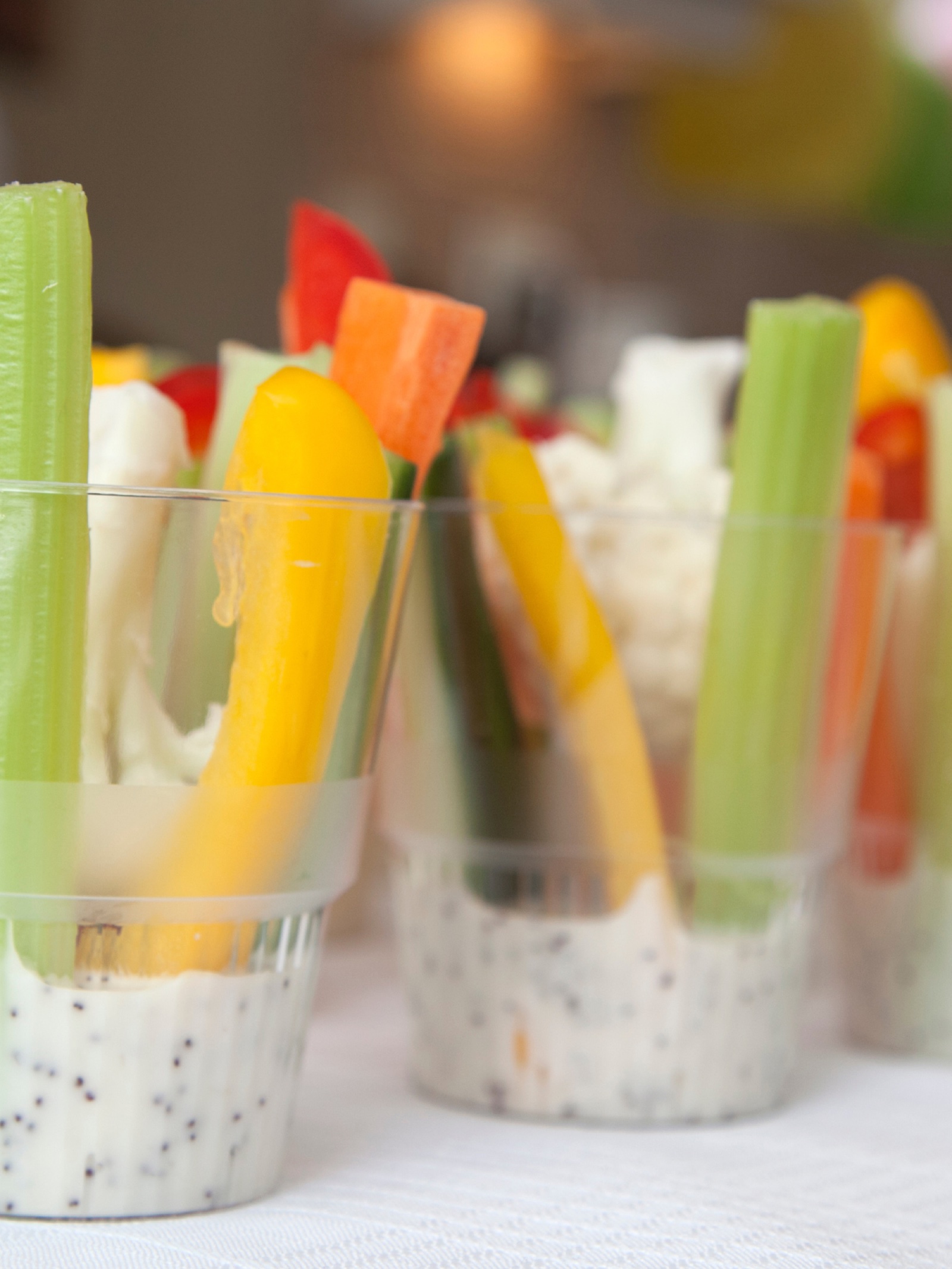
Shape matters too. Some kids prefer thin strips over rounds, bite-size pieces over larger chunks, or vegetables paired with a favorite dip. Veggies are versatile, and sometimes kids just need a different format to make them more appealing.
What parents most need to hear
If your child is rejecting vegetables, you are not failing.
Building eating habits takes time. The win is not getting your child to adore broccoli overnight. The win is making vegetables familiar enough, often enough, that they stop feeling strange.
So keep putting them on the table. Keep the pressure low. Keep offering the exposure. A vegetable that gets ignored today is not a wasted effort. It may simply be part of the process.
FAQ
How many times do I need to offer a vegetable before my child will eat it?
There is no magic number, but repeated exposure works. Some children need 8 to 10 or more exposures before acceptance improves, and others may need less. The key is consistency without pressure [8].
Should I hide vegetables in my child’s food?
Yes, that can be a helpful bridge. Adding vegetables to foods your child already likes can build familiarity and boost intake. However, I don’t recommend relying on that strategy alone. Keep serving visible vegetables too, because ideally, you want to encourage your child to eat veggies in all shapes and forms.
What if my child eats fruit but refuses vegetables?
Fruit is absolutely valuable and counts. But vegetables are still worth continuing to offer because they expand flavor exposure, add different textures, and help build a more varied diet over time.
What if my child never seems to like a certain vegetable?
That’s okay. The goal is not for every child to love every vegetable. The goal is to keep the door open to a variety of foods and avoid turning one disliked vegetable into a bigger mealtime battle.
References
[1] Dennison, B. A., Rockwell, H. L., & Baker, S. L. (1998). Fruit and vegetable intake in young children. Journal of the American College of Nutrition, 17(4), 371–378. https://doi.org/10.1080/07315724.1998.10718778
[2] Mellendick, K., Shanahan, L., Wideman, L., Calkins, S., Keane, S., & Lovelady, C. (2018). Diets Rich in Fruits and Vegetables Are Associated with Lower Cardiovascular Disease Risk in Adolescents. Nutrients, 10(2), 136. https://doi.org/10.3390/nu10020136
[3] Mahmassani, H. A., Switkowski, K. M., Johnson, E. J., Scott, T. M., Rifas-Shiman, S. L., Oken, E., & Jacques, P. F. (2022). Early Childhood Lutein and Zeaxanthin Intake Is Positively Associated with Early Childhood Receptive Vocabulary and Mid-Childhood Executive Function But No Other Cognitive or Behavioral Outcomes in Project Viva. The Journal of Nutrition, 152(11), 2555–2564. https://doi.org/10.1093/jn/nxac188
[4] Choi, E. B., Lee, J. E., & Hwang, J. Y. (2018). Fruit and vegetable intakes in relation to behavioral outcomes associated with a nutrition education intervention in preschoolers. Nutrition Research and Practice, 12(6), 521–526. https://doi.org/10.4162/nrp.2018.12.6.521
[5] Vinitchagoon, T., Hennessy, E., Zhang, F. F., Fauth, R. C., Must, A., Tovar, A., Choumenkovitch, S. F., & Economos, C. D. (2024). A Dietary Pattern With More Fruits and Vegetables in Children of Mothers Who Immigrated to the United States From Latin America Is Associated With Healthful Nutrient Intake and Weight Status. Journal of the Academy of Nutrition and Dietetics, 124(8), 947–956.e1. https://doi.org/10.1016/j.jand.2024.04.005
[6] Anzman-Frasca, S., Ventura, A. K., Ehrenberg, S., & Myers, K. P. (2018). Promoting healthy food preferences from the start: a narrative review of food preference learning from the prenatal period through early childhood. Obesity Reviews, 19(4), 576–604. https://doi.org/10.1111/obr.12658
[7] Hamner, H. C., Dooyema, C. A., Blanck, H. M., Flores-Ayala, R., Jones, J. R., Ghandour, R. M., & Petersen, R. (2023). Fruit, Vegetable, and Sugar-Sweetened Beverage Intake Among Young Children, by State — United States, 2021. MMWR. Morbidity and Mortality Weekly Report, 72(7), 165–170. https://doi.org/10.15585/mmwr.mm7207a1
[8] Fisher JO, Eicher-Miller HA, Odoms-Young A, Palacios C, Abrams SA, Andres A, Byrd-Bredbenner C, Deierlein A, Lawless M, Momin S, Spahn J, Butera G, Higgins M, Terry N, Obbagy J. Repeated Exposure to Foods and Food Acceptance: A Systematic Review. November 2024. U.S. Department of Agriculture, Food and Nutrition Service, Center for Nutrition Policy and Promotion, Nutrition Evidence Systematic Review. https://doi.org/10.52570/NESR.DGAC2025.SR06
[9] Shim, J. E., Kim, J., Lee, Y., & STRONG Kids Team (2016). Fruit and Vegetable Intakes of Preschool Children Are Associated With Feeding Practices Facilitating Internalization of Extrinsic Motivation. Journal of Nutrition Education and Behavior, 48(5), 311–317.e1. https://doi.org/10.1016/j.jneb.2016.01.003
Pin this post for later.